

Parasailing Explained by a Professional: Is It Safe, What Does It Feel Like, and What Should You Know Before Booking?

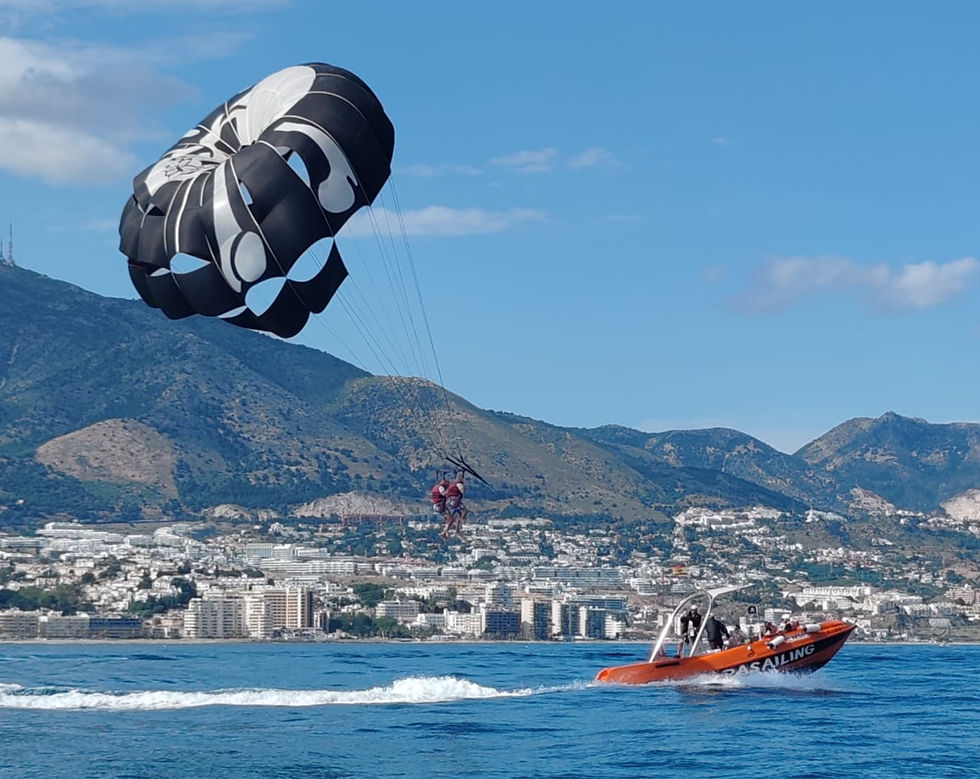
If you’ve ever watched parasailing from the beach, you’ve probably had two thoughts:
“That looks incredible.”
…and then immediately after:
“That also looks terrifying.”
I understand why.
I’ve worked in the parasailing industry since 2009 after moving to Spain with my family. My father, brother and I are all licensed parasailing crew certified through the American Parascending Association, and together we later helped form the EPPA — an organisation focused on training parasailing crews in Europe safely and professionally.
Over the last 15+ years I’ve seen both the best and worst sides of the industry.
I’ve seen nervous first-time flyers come back smiling and wanting to go again immediately. I’ve seen 97-year-olds tick it off their bucket list. I’ve seen young children laughing in the sky with their parents.
But I’ve also seen unsafe operations, poorly trained crews and companies making decisions they should never make.
So if you’re researching parasailing for the first time and wondering:
Is parasailing safe?
What does parasailing actually feel like?
Do you need to swim?
What happens if something goes wrong?
How do you choose a safe parasailing company?
This guide will answer all of those questions honestly from the perspective of someone who has spent most of his life in the industry.
---
Is Parasailing Dangerous?
This is by far the most common concern people have.
The short answer is:
Parasailing can be operated very safely when it’s run by properly trained professionals using the correct procedures and equipment.
The problem is that not every operator follows professional standards.
Unfortunately, the media usually only reports on accidents and incidents. What people rarely hear about are the thousands of safe flights that happen every single day around the world.
In my experience, parasailing itself is not inherently dangerous. The biggest risk comes from untrained or inexperienced operators making poor decisions.
That might include:
Flying in weather conditions beyond their experience level
Poor equipment maintenance
Flying too close to beaches or obstacles
Ignoring safety procedures
Continuing operations when conditions should have caused cancellation
A professional parasailing crew understands that safety always comes first.
Sometimes the safest decision is simply not to fly.
And while that can disappoint customers in the moment, it’s exactly what responsible operators should do.
---
What Does Parasailing Actually Feel Like?
Most people imagine parasailing feels fast, aggressive and extreme.
In reality, it’s usually the opposite.
At the beginning, some people feel nervous hearing the engine and seeing the parachute inflate behind the boat. The gentle sway of the boat can also make first-timers anxious.
But once the first few meters of cable are released, everything changes.
The best way I can describe it is this:
It feels like sitting on a garden swing in the sky.
You barely notice movement. It’s surprisingly quiet once you’re in the air, and if you’re flying with another person you can usually have a conversation normally.
Instead of feeling like you’re being launched through the sky, the experience feels calm, smooth and peaceful.
That’s often the biggest surprise for first-time customers.
By the end of the flight, most people are relaxed enough to enjoy the playful side of the experience too.
Many crews — including ours — sometimes do a light water dip before bringing passengers back onboard. It creates a fun “wait… are we landing in the water?” moment before gently lifting you back out again.
It’s all part of the experience.
---
Do You Need to Know How to Swim to Parasail?
No.
This is probably the number one question customers ask us.
Passengers wear lifejackets as standard.
Under normal operating conditions, you take off from the boat and land back on the boat.
Water landings are not the goal of the activity.
However, professional crews are trained for emergency procedures in the unlikely event of mechanical malfunction.
If a water landing ever became necessary, the lifejacket keeps the passenger safely afloat while the crew performs recovery procedures.
So even non-swimmers can safely enjoy parasailing.
---
How High Do You Go Parasailing?
Another very common question.
The answer depends on several factors including:
Wind conditions
Passenger weight
Boat setup
Cable length
On our boats, we use a custom-built 400-meter cable system.
Typically, passengers reach heights of around 150–200 meters depending on weather and weight conditions.
Generally speaking:
Lighter passengers can go higher
Stronger winds can increase flying height
But height is always balanced against safety and weather conditions.
Professional operators adjust flights according to the conditions on the day.
---
How to Tell if a Parasailing Company Is Safe
This is one of the most important things tourists should understand before booking.
A good parasailing operation doesn’t just focus on giving customers a fun experience.
It focuses on safety first.
Here are some signs of a professional operation:
1. The Crew Has Recognised Parasailing Certifications
Don’t be afraid to ask to see crew certificates or licenses.
Professional operators are usually proud to display them.
Parasailing certifications may come from organisations such as:
APA (American Parascending Association)
EPPA (European Professional Parasailing Association)
WSIA (Water Sports Industry Association)
A valid license should also show an expiry date.
This matters because safety standards and procedures evolve over time.
An up-to-date certification means the crew is staying current with industry practices instead of relying on outdated methods.
2. They Respect the Weather
A responsible operator will cancel or postpone flights if conditions are unsafe.
That includes:
Excessive wind
Rough sea conditions
Conditions outside the crew’s experience level
One of the biggest mistakes I’ve seen in the industry is crews attempting to operate in weather they should never have launched in.
If an operator seems more interested in avoiding refunds than making safe decisions, that’s a major red flag.
3. Their Equipment Is Maintained Properly
Parasailing equipment requires regular maintenance, inspections and replacement.
Professional operators invest heavily in maintaining:
Parasails
Harnesses
Winch systems
Tow lines
Safety equipment
Good operators also protect equipment properly throughout the season rather than exposing it unnecessarily to sun damage, salt damage and wear.
4. They Don’t Fly Too Close to Beaches
This is something many tourists would never think about.
In an emergency situation, standard procedure may involve bringing passengers down safely into the water.
But if the boat is operating too close to the shoreline, passengers may not have enough water clearance.
I’ve personally seen captains operating far too close to beaches, which creates unnecessary risk.
Safe operators maintain appropriate operating distances.
---
Why Some Parasailing Companies Shouldn’t Be Operating
One thing I’ve learned after years in this industry is that there’s a huge difference between owning parasailing equipment and actually understanding safe parasailing operations.
In Europe especially, there is very little consistent legislation specifically governing parasailing.
That creates problems.
Many countries treat parasailing the same way they would treat towing inflatable rides behind a boat, despite the fact that parasailing requires completely different operational knowledge, weather assessment and emergency procedures.
That’s one of the reasons we helped create the EPPA.
Our goal is to improve training standards and promote safer professional operations across Europe.
Ideally, Europe would eventually adopt consistent parasailing training standards similar to how the diving industry uses internationally recognised certifications like PADI.
At the moment, however, standards vary enormously between operators.
That’s why customers should do their own research before booking.
---
What First-Time Parasailers Should Know Before Booking
If you’re planning to parasail for the first time, here’s my honest advice.
Don’t Leave It Until Your Last Day
This is one of the biggest mistakes tourists make.
Parasailing depends heavily on weather conditions.
If conditions become unsafe, professional operators should cancel flights.
That happens more often than people expect.
If you leave parasailing until your final day of holiday and the weather changes, you might miss the experience entirely.
Book earlier in your trip so there’s flexibility if conditions change.
Wear Comfortable Clothing
Even though parasailing itself doesn’t involve swimming, this is still a watersport.
You may get splashed or lightly dipped in the water.
Wear clothing that:
Is comfortable
Dries easily
Won’t cause discomfort if wet
Ask Questions
A professional operator should never pressure you.
If you’re nervous, ask questions.
Good crews are used to reassuring first-time flyers and explaining the process clearly.
If conditions are windy or the sea looks rough, ask the crew directly what they recommend.
Professional operators monitor conditions daily and should always advise honestly based on safety.
---
Is Parasailing Good for Families?
Absolutely.
One of the biggest misconceptions about parasailing is that it’s only for thrill-seekers.
In reality, many people are surprised by how accessible it is.
Over the years we’ve flown:
Young children with parents
Nervous first-timers
Elderly customers
Families together
Couples celebrating special occasions
People with fear of heights
Some of the most satisfying moments in the job are seeing someone who was terrified beforehand come back smiling and saying:
“That was amazing. I’d do it again.”
---
Final Thoughts: Parasailing Is Safer and Calmer Than Most People Expect
Parasailing looks extreme from the beach.
But when it’s operated correctly by trained professionals, it’s often one of the calmest and most peaceful watersports people ever try.
The key is choosing the right operator.
A good parasailing company will:
Prioritise safety over profit
Respect weather conditions
Maintain equipment properly
Use trained and certified crew
Be transparent about procedures
Answer your questions honestly
If you do your research and choose a professional operation, parasailing can become one of the most memorable experiences of your holiday.
And after more than 15 years in the industry, I can confidently say this:
The people who are most nervous beforehand are often the ones smiling the most when they land.
---
Frequently Asked Questions About Parasailing
Is parasailing safe?
Yes — when operated by properly trained professionals using appropriate equipment and weather judgment.
Do you need to know how to swim to parasail?
No. Passengers wear lifejackets and typically take off and land directly on the boat.
What does parasailing feel like?
Most people are surprised by how calm and peaceful it feels. It’s often compared to sitting on a swing in the sky.
How high do you go parasailing?
Typically around 150–200 meters depending on weather conditions, wind and passenger weight.
Can children go parasailing?
Yes, depending on operator rules and weather conditions. Many families parasail together.
What happens if the weather changes?
Professional operators should postpone or cancel flights if conditions become unsafe.
How can I tell if a parasailing company is professional?
Check for recognised certifications, good safety practices, maintained equipment and honest communication about weather conditions.


Comments